


How do the refractory properties of high-alumina ceramics play a crucial role in high-temperature industrial furnaces?
Release Time : 2025-12-24
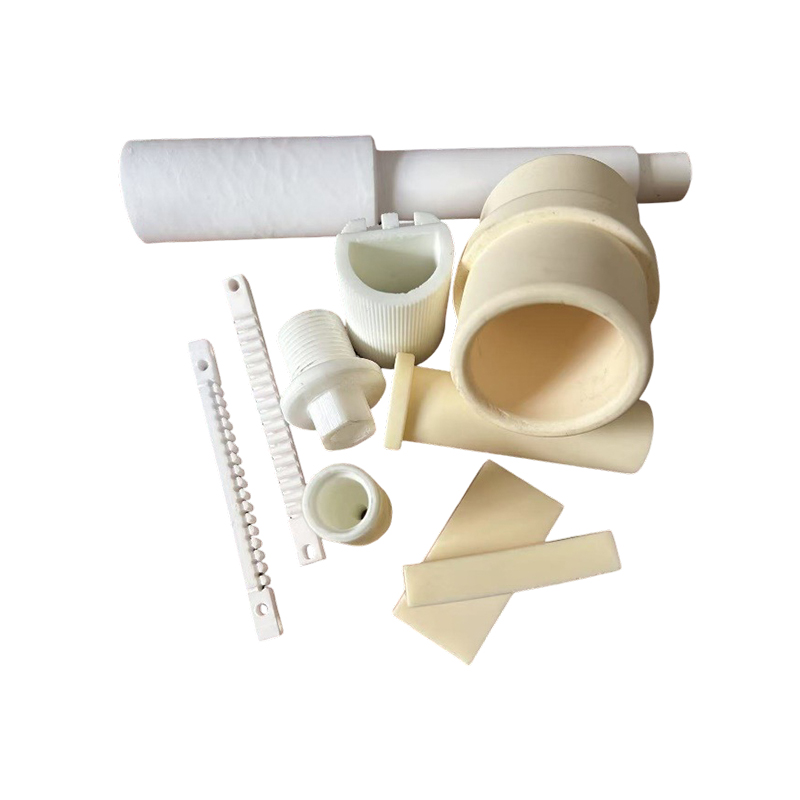
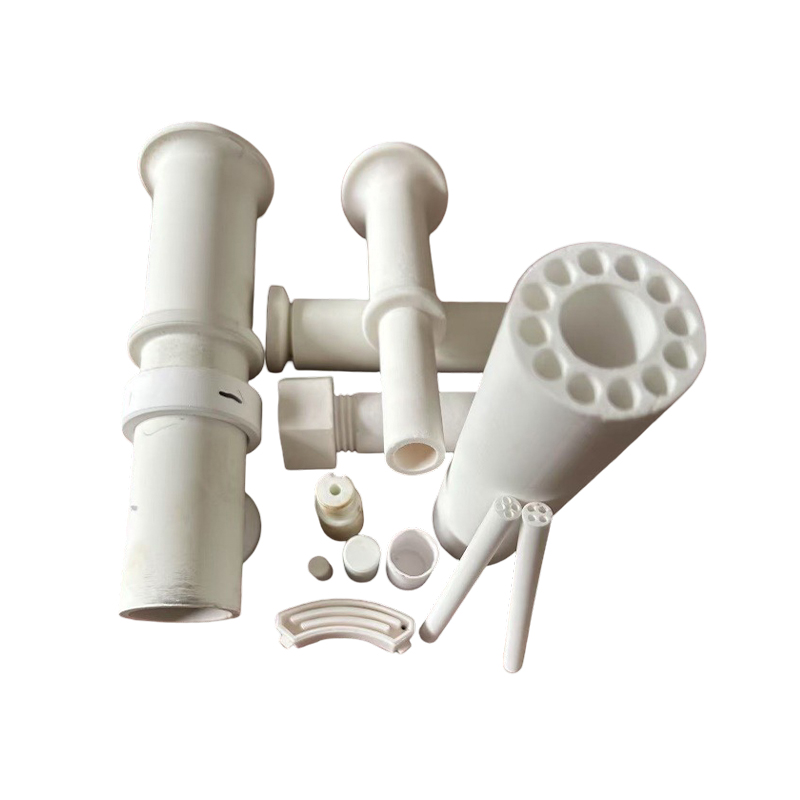
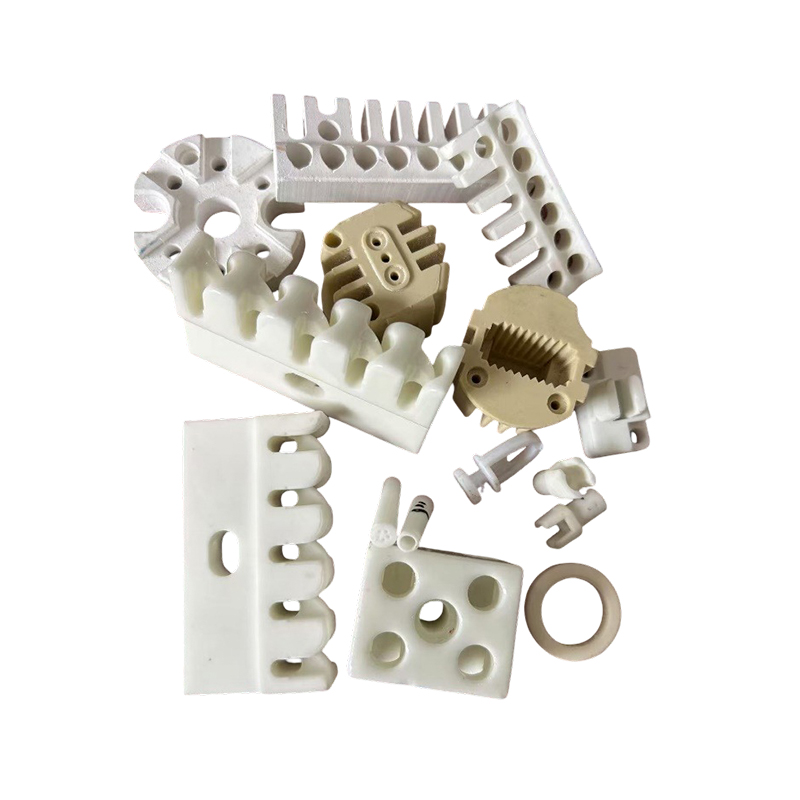
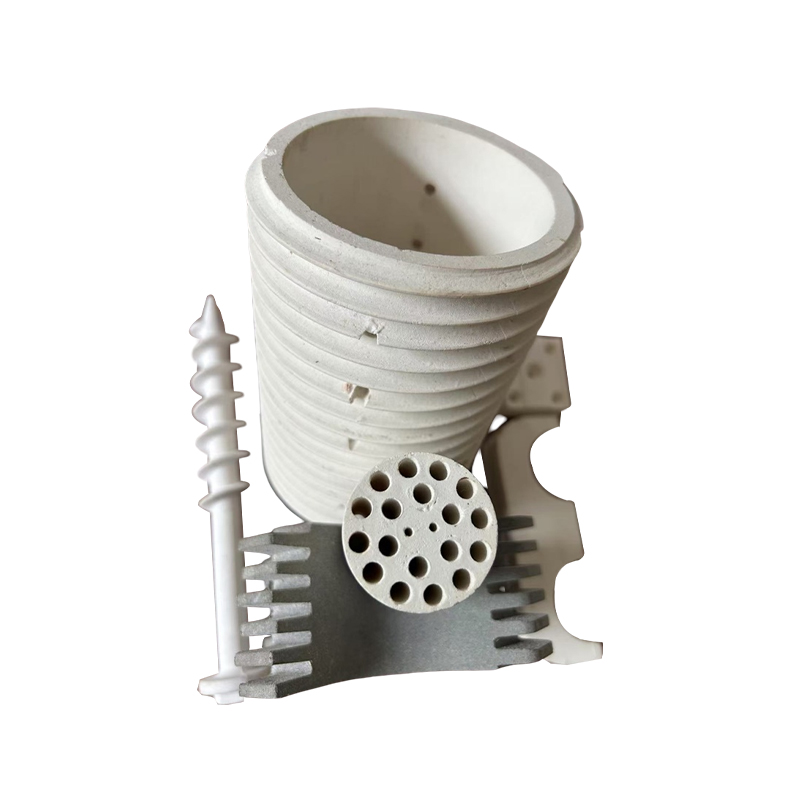
In high-temperature industries such as metallurgy, glass, ceramics, chemicals, and heat treatment, industrial furnaces are core thermal equipment, often operating at temperatures exceeding 1000℃, and some even surpassing 1600℃. In this extreme environment, the structural materials within the furnace must not only withstand continuous high temperatures but also resist chemical corrosion, mechanical wear, and thermal stress impacts. High-alumina ceramics, with their superior refractory properties, have become the preferred material for key components in high-temperature industrial furnaces, such as electric heating element carriers, furnace linings, supports, and protective tubes, playing an irreplaceable role in ensuring equipment safety, improving energy efficiency, and extending service life.
1. High Melting Point and High-Temperature Structural Stability: Constructing a Reliable "Thermal Barrier"
The core advantage of high-alumina ceramics stems from their extremely high melting point—alumina has a melting point of 2050℃. Even in industrial-grade high-alumina ceramics containing impurities, its load softening temperature remains stable above 1500℃. This means that during normal high-temperature furnace operation, high-alumina ceramics exhibit almost no plastic deformation or collapse, maintaining consistent geometric shape and dimensional stability. As an insulating support or protective sleeve for electric heating elements, it effectively isolates high-temperature flames, molten materials, and electrical components, preventing short circuits, oxidation, or mechanical damage, providing a robust "thermal barrier" for the heating system.
2. Excellent Thermal Shock Resistance: Coping with Frequent Start-ups and Sudden Temperature Changes
Industrial furnaces frequently undergo heating and cooling cycles during production, especially in intermittent operations, where the furnace temperature may rise from room temperature to operating temperature and then cool down within hours. This drastic thermal change generates significant thermal stress within the material, causing ordinary refractory bricks to crack and spall. High-alumina ceramics, through optimized grain size, the introduction of microcrack toughening mechanisms, or controlled porosity, significantly improves thermal shock resistance. Its low coefficient of thermal expansion, combined with excellent thermal conductivity, ensures more uniform heat distribution, effectively alleviating thermal stress concentration, preventing failure due to thermal fatigue, and ensuring the structural integrity of the furnace body.
3. Chemical Inertness and Corrosion Resistance: Resistant to Complex Furnace Environments
High-temperature industrial furnaces often contain complex atmospheres, including CO, H₂, alkali metal vapors, molten slag, and acidic/alkaline gases. High-alumina ceramics are chemically extremely stable, exhibiting excellent resistance to most acidic slags, metal oxides, and reducing atmospheres. In glass furnaces, they resist the erosion of molten glass; in metallurgical heat treatment furnaces, they withstand corrosion from iron oxide scale and carbon deposits. This chemical inertness allows them to operate for extended periods in harsh environments without pulverizing or contaminating the heated materials, making them particularly suitable for high-purity material sintering or precision heat treatment applications.
4. High Insulation and Mechanical Strength: Ensuring Safe and Efficient Operation of Electrothermal Systems
As the carrier for electric heating elements, high-alumina ceramics combine high volume resistivity and high flexural strength. This enables them to reliably isolate high-voltage currents at high temperatures, preventing leakage or breakdown, while also withstanding the element's own weight, vibration, and mechanical loads from loading operations. Its smooth surface and dense structure without open pores further reduce dust adhesion and the risk of electric arcs, enhancing the safety and energy efficiency of the electrothermal system.
5. Long Lifespan and Low Maintenance Costs: Enhancing the Overall Economic Efficiency of Industrial Furnaces
Thanks to the aforementioned comprehensive performance, high-alumina ceramics components have a service life in high-temperature furnaces far exceeding that of traditional clay bricks or lightweight insulation materials, reaching several years or even more than ten years. This not only reduces the frequency of furnace shutdowns for maintenance and lowers maintenance costs but also avoids unplanned production stoppages due to furnace lining damage. Although the initial investment is higher, its total life-cycle cost is significantly better than that of ordinary refractory materials, becoming a key technological support for modern, efficient, and long-life industrial furnaces.
High-alumina ceramics, with their superior refractoriness, thermal stability, chemical inertness, and mechanical reliability, play a "guardian" role in high-temperature industrial furnaces. They are not only passive materials resistant to high temperatures but also active elements ensuring process precision, energy efficiency, and production continuity. As industry moves towards higher temperatures, harsher environments, and greater intelligence, high alumina ceramics will continue to support the solid backbone of modern high-temperature industry with its "silent yet resilient" approach.
1. High Melting Point and High-Temperature Structural Stability: Constructing a Reliable "Thermal Barrier"
The core advantage of high-alumina ceramics stems from their extremely high melting point—alumina has a melting point of 2050℃. Even in industrial-grade high-alumina ceramics containing impurities, its load softening temperature remains stable above 1500℃. This means that during normal high-temperature furnace operation, high-alumina ceramics exhibit almost no plastic deformation or collapse, maintaining consistent geometric shape and dimensional stability. As an insulating support or protective sleeve for electric heating elements, it effectively isolates high-temperature flames, molten materials, and electrical components, preventing short circuits, oxidation, or mechanical damage, providing a robust "thermal barrier" for the heating system.
2. Excellent Thermal Shock Resistance: Coping with Frequent Start-ups and Sudden Temperature Changes
Industrial furnaces frequently undergo heating and cooling cycles during production, especially in intermittent operations, where the furnace temperature may rise from room temperature to operating temperature and then cool down within hours. This drastic thermal change generates significant thermal stress within the material, causing ordinary refractory bricks to crack and spall. High-alumina ceramics, through optimized grain size, the introduction of microcrack toughening mechanisms, or controlled porosity, significantly improves thermal shock resistance. Its low coefficient of thermal expansion, combined with excellent thermal conductivity, ensures more uniform heat distribution, effectively alleviating thermal stress concentration, preventing failure due to thermal fatigue, and ensuring the structural integrity of the furnace body.
3. Chemical Inertness and Corrosion Resistance: Resistant to Complex Furnace Environments
High-temperature industrial furnaces often contain complex atmospheres, including CO, H₂, alkali metal vapors, molten slag, and acidic/alkaline gases. High-alumina ceramics are chemically extremely stable, exhibiting excellent resistance to most acidic slags, metal oxides, and reducing atmospheres. In glass furnaces, they resist the erosion of molten glass; in metallurgical heat treatment furnaces, they withstand corrosion from iron oxide scale and carbon deposits. This chemical inertness allows them to operate for extended periods in harsh environments without pulverizing or contaminating the heated materials, making them particularly suitable for high-purity material sintering or precision heat treatment applications.
4. High Insulation and Mechanical Strength: Ensuring Safe and Efficient Operation of Electrothermal Systems
As the carrier for electric heating elements, high-alumina ceramics combine high volume resistivity and high flexural strength. This enables them to reliably isolate high-voltage currents at high temperatures, preventing leakage or breakdown, while also withstanding the element's own weight, vibration, and mechanical loads from loading operations. Its smooth surface and dense structure without open pores further reduce dust adhesion and the risk of electric arcs, enhancing the safety and energy efficiency of the electrothermal system.
5. Long Lifespan and Low Maintenance Costs: Enhancing the Overall Economic Efficiency of Industrial Furnaces
Thanks to the aforementioned comprehensive performance, high-alumina ceramics components have a service life in high-temperature furnaces far exceeding that of traditional clay bricks or lightweight insulation materials, reaching several years or even more than ten years. This not only reduces the frequency of furnace shutdowns for maintenance and lowers maintenance costs but also avoids unplanned production stoppages due to furnace lining damage. Although the initial investment is higher, its total life-cycle cost is significantly better than that of ordinary refractory materials, becoming a key technological support for modern, efficient, and long-life industrial furnaces.
High-alumina ceramics, with their superior refractoriness, thermal stability, chemical inertness, and mechanical reliability, play a "guardian" role in high-temperature industrial furnaces. They are not only passive materials resistant to high temperatures but also active elements ensuring process precision, energy efficiency, and production continuity. As industry moves towards higher temperatures, harsher environments, and greater intelligence, high alumina ceramics will continue to support the solid backbone of modern high-temperature industry with its "silent yet resilient" approach.