


How do mullite ceramics redefine the limits of industrial refractories through exceptional thermal shock resistance and high-temperature stability?
Release Time : 2026-07-22
In the vast landscape of modern high-temperature industry—ranging from extreme thermal protection in aerospace to the rigorous conditions of metallurgical casting and precision ceramic sintering—materials constantly face the dual challenges of rapid temperature fluctuations and sustained high heat. As the only stable binary compound in the aluminosilicate system, mullite ceramics—with their unique crystal structure and superior physicochemical properties—have shattered the inherent vulnerability of traditional refractories to thermal shock. Combining toughness with rigidity, they establish an impregnable high-temperature defense for modern industry.
The core advantage of mullite ceramics lies primarily in their unparalleled thermal shock stability. During the heating and cooling cycles of industrial kilns or intermittent operations, materials are highly susceptible to fatal thermal stresses caused by rapid thermal expansion and contraction, which can lead to cracking or even disintegration. Mullite ceramics possess an inherently low coefficient of thermal expansion, meaning their volume changes minimally even during drastic temperature fluctuations. This characteristic allows them to withstand rapid thermal cycling—from temperatures exceeding a thousand degrees Celsius down to room temperature—by effectively dissipating internal stress and preventing the initiation and propagation of cracks. Whether serving as packing material in pickling towers subject to severe temperature gradients or as kiln furniture in intermittent kilns, they maintain absolute structural integrity, significantly reducing safety hazards and the risk of downtime caused by thermal shock failure.
When facing the challenges of extreme heat and complex chemical environments, mullite ceramics demonstrate exceptional thermodynamic stability and chemical inertness. With an extremely high melting point, they not only resist softening or melting during prolonged high-temperature service but can actually maintain or even enhance their mechanical strength within certain temperature ranges. Furthermore, the interlocking growth of needle-like or columnar mullite crystals creates a dense, tough skeletal structure, endowing the material with remarkable hardness and resistance to erosion. When exposed to high-velocity acidic sprays, high-temperature flue gases, or molten metal, the material’s surface resists spalling and pulverization, ensuring the equipment's long-term operation under harsh conditions. Furthermore, it exhibits exceptional resistance to most acidic and neutral media and does not alter the composition of molten metals or chemical substances, thereby guaranteeing the production of high-purity products.
Driven by innovations in microstructure and significant performance enhancements, modern mullite ceramics are transitioning from conventional to high-performance materials. By employing in-situ whisker growth techniques or high-purity synthesis processes, researchers have successfully overcome the issue of excessive glassy phases found in traditional ceramics. The porous structure—formed by the interlocking and bridging of whiskers—not only lowers thermal conductivity, making the material an excellent choice for high-temperature thermal insulation, but also resolves interfacial mismatch issues between the whiskers and the matrix; this allows the material to combine low density with superior compressive strength and fracture toughness.
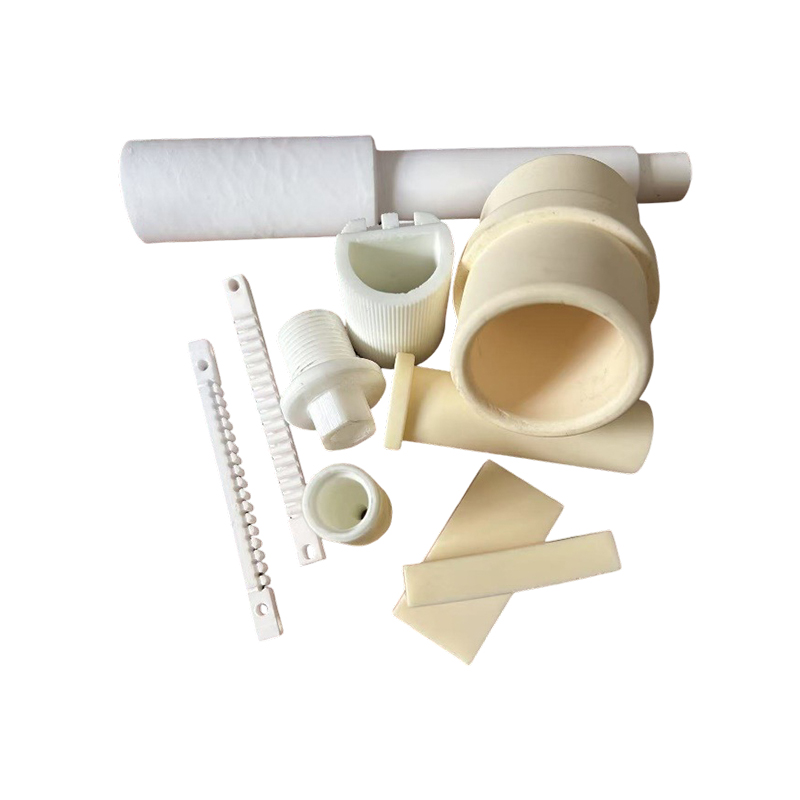
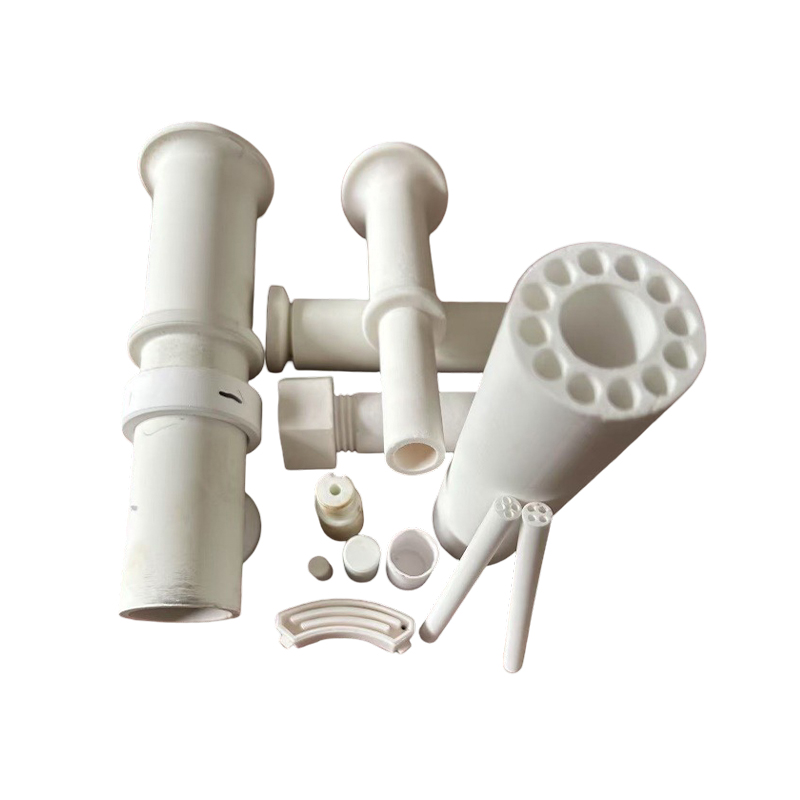
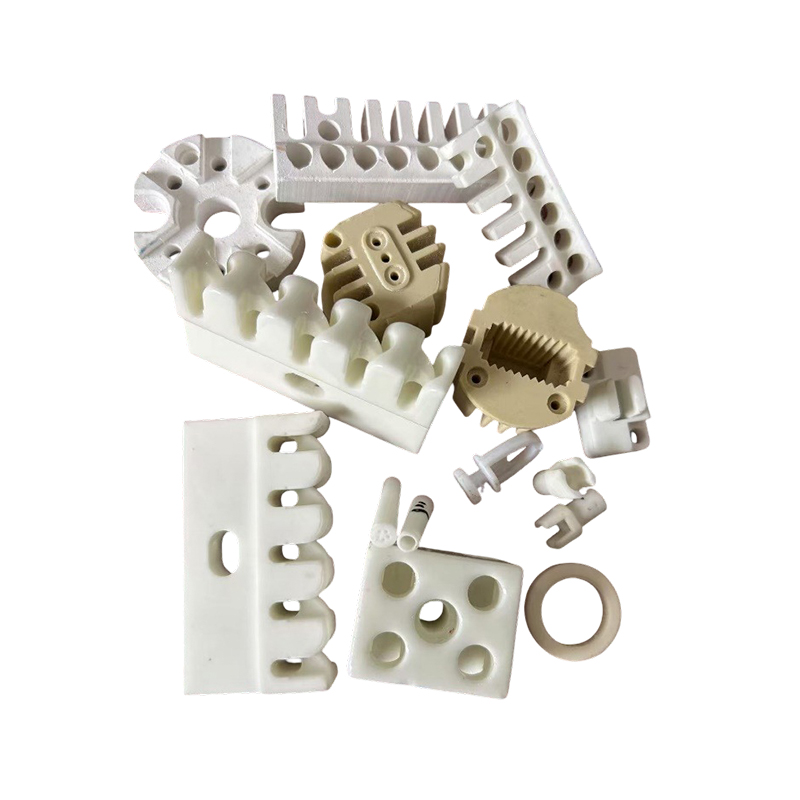
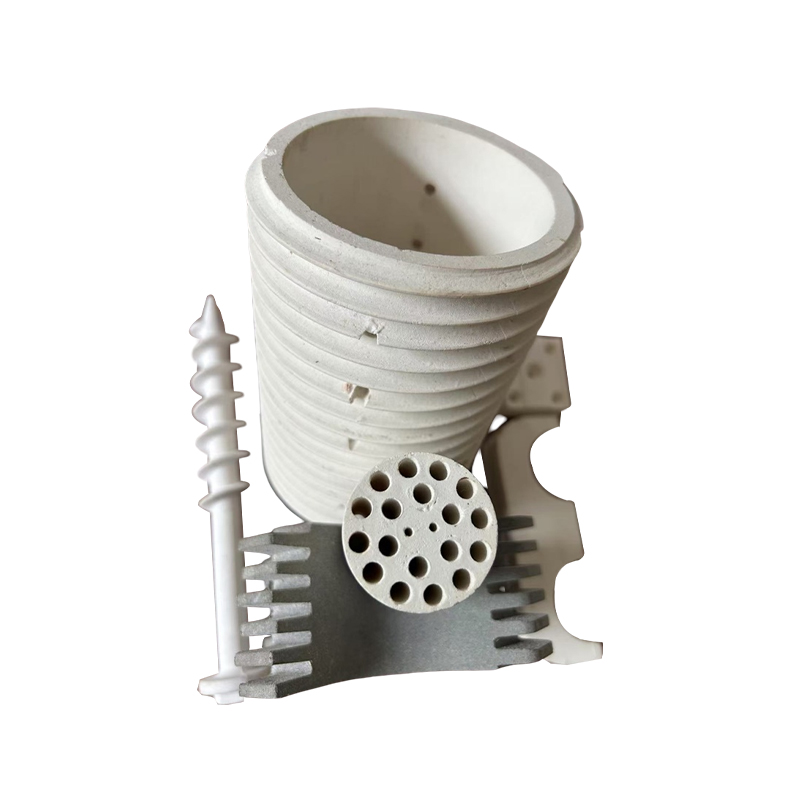
Mullite ceramics demonstrate remarkable versatility across a wide range of industrial applications. In metallurgy and casting, honeycomb-structured mullite ceramic filters effectively remove impurities and slag particles from molten metal, significantly reducing turbulence and improving both the mechanical properties and surface finish of castings. In the new energy and electronic ceramics sectors, high-purity mullite saggers and setter plates—characterized by excellent dimensional stability at high temperatures and minimal shrinkage—ensure dimensional precision and high batch yields during the sintering of critical components such as lithium-ion battery electrode materials and MLCCs.
The widespread application of mullite ceramics represents a perfect synergy between materials science and the demands of extreme operating environments. With an ultra-low thermal expansion coefficient, the material mitigates the destructive impact of thermal shock; its interwoven crystalline framework withstands high temperatures and corrosive agents; and its innovative microstructure expands the performance boundaries of refractory materials. Through the rigors of furnace firing and thermal cycling, mullite ceramics not only support the weight of industrial progress but also serve as a solid foundation for modern manufacturing as it advances toward greater safety, efficiency, and precision.
The core advantage of mullite ceramics lies primarily in their unparalleled thermal shock stability. During the heating and cooling cycles of industrial kilns or intermittent operations, materials are highly susceptible to fatal thermal stresses caused by rapid thermal expansion and contraction, which can lead to cracking or even disintegration. Mullite ceramics possess an inherently low coefficient of thermal expansion, meaning their volume changes minimally even during drastic temperature fluctuations. This characteristic allows them to withstand rapid thermal cycling—from temperatures exceeding a thousand degrees Celsius down to room temperature—by effectively dissipating internal stress and preventing the initiation and propagation of cracks. Whether serving as packing material in pickling towers subject to severe temperature gradients or as kiln furniture in intermittent kilns, they maintain absolute structural integrity, significantly reducing safety hazards and the risk of downtime caused by thermal shock failure.
When facing the challenges of extreme heat and complex chemical environments, mullite ceramics demonstrate exceptional thermodynamic stability and chemical inertness. With an extremely high melting point, they not only resist softening or melting during prolonged high-temperature service but can actually maintain or even enhance their mechanical strength within certain temperature ranges. Furthermore, the interlocking growth of needle-like or columnar mullite crystals creates a dense, tough skeletal structure, endowing the material with remarkable hardness and resistance to erosion. When exposed to high-velocity acidic sprays, high-temperature flue gases, or molten metal, the material’s surface resists spalling and pulverization, ensuring the equipment's long-term operation under harsh conditions. Furthermore, it exhibits exceptional resistance to most acidic and neutral media and does not alter the composition of molten metals or chemical substances, thereby guaranteeing the production of high-purity products.
Driven by innovations in microstructure and significant performance enhancements, modern mullite ceramics are transitioning from conventional to high-performance materials. By employing in-situ whisker growth techniques or high-purity synthesis processes, researchers have successfully overcome the issue of excessive glassy phases found in traditional ceramics. The porous structure—formed by the interlocking and bridging of whiskers—not only lowers thermal conductivity, making the material an excellent choice for high-temperature thermal insulation, but also resolves interfacial mismatch issues between the whiskers and the matrix; this allows the material to combine low density with superior compressive strength and fracture toughness.
Mullite ceramics demonstrate remarkable versatility across a wide range of industrial applications. In metallurgy and casting, honeycomb-structured mullite ceramic filters effectively remove impurities and slag particles from molten metal, significantly reducing turbulence and improving both the mechanical properties and surface finish of castings. In the new energy and electronic ceramics sectors, high-purity mullite saggers and setter plates—characterized by excellent dimensional stability at high temperatures and minimal shrinkage—ensure dimensional precision and high batch yields during the sintering of critical components such as lithium-ion battery electrode materials and MLCCs.
The widespread application of mullite ceramics represents a perfect synergy between materials science and the demands of extreme operating environments. With an ultra-low thermal expansion coefficient, the material mitigates the destructive impact of thermal shock; its interwoven crystalline framework withstands high temperatures and corrosive agents; and its innovative microstructure expands the performance boundaries of refractory materials. Through the rigors of furnace firing and thermal cycling, mullite ceramics not only support the weight of industrial progress but also serve as a solid foundation for modern manufacturing as it advances toward greater safety, efficiency, and precision.