


How do voltage-resistant alumina ceramics ensure safety and stability in electric heating appliances?
Release Time : 2026-05-12
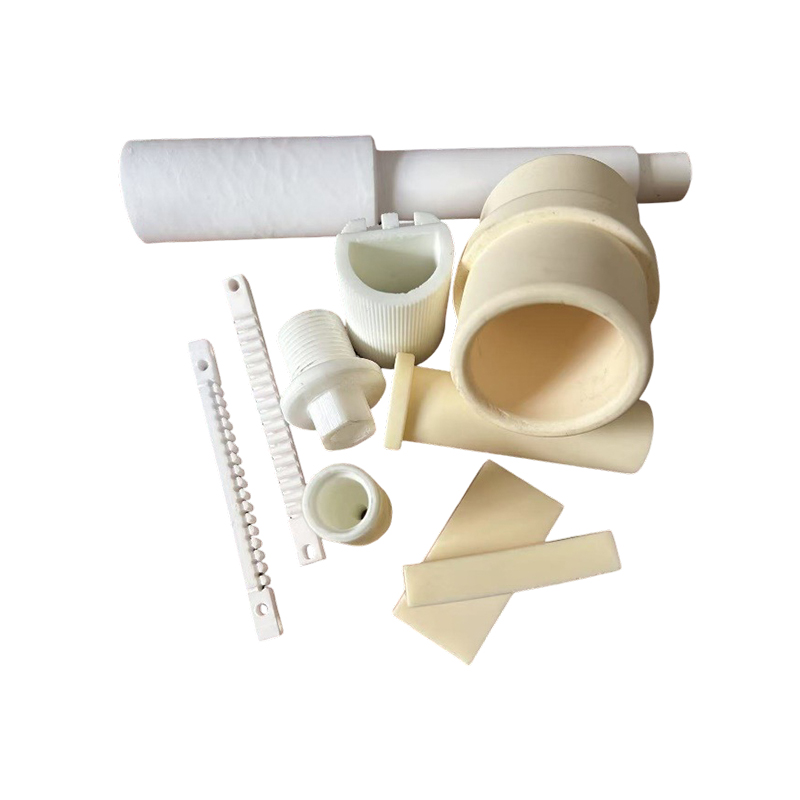
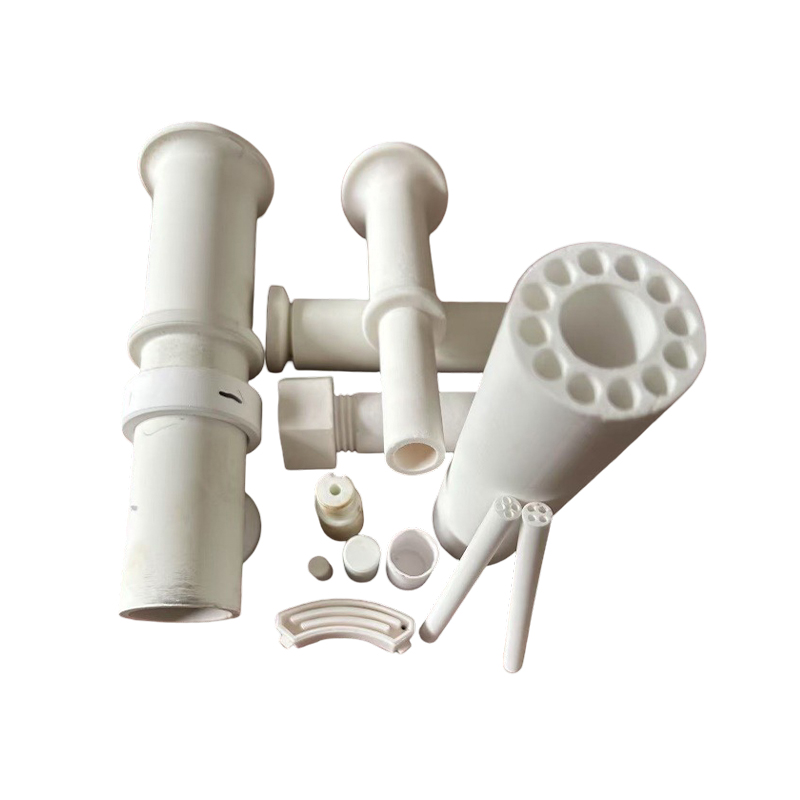
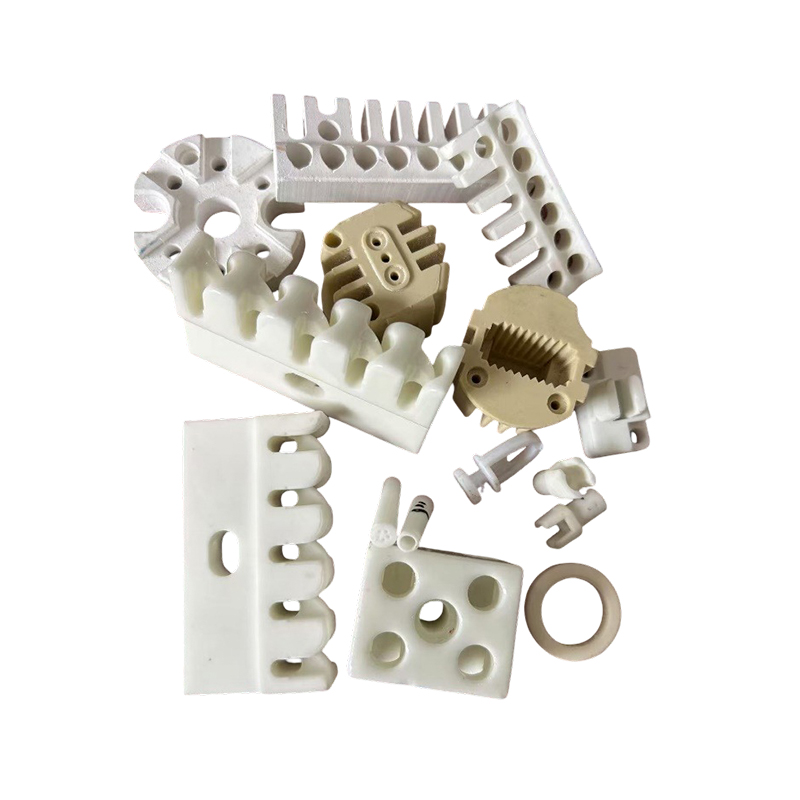
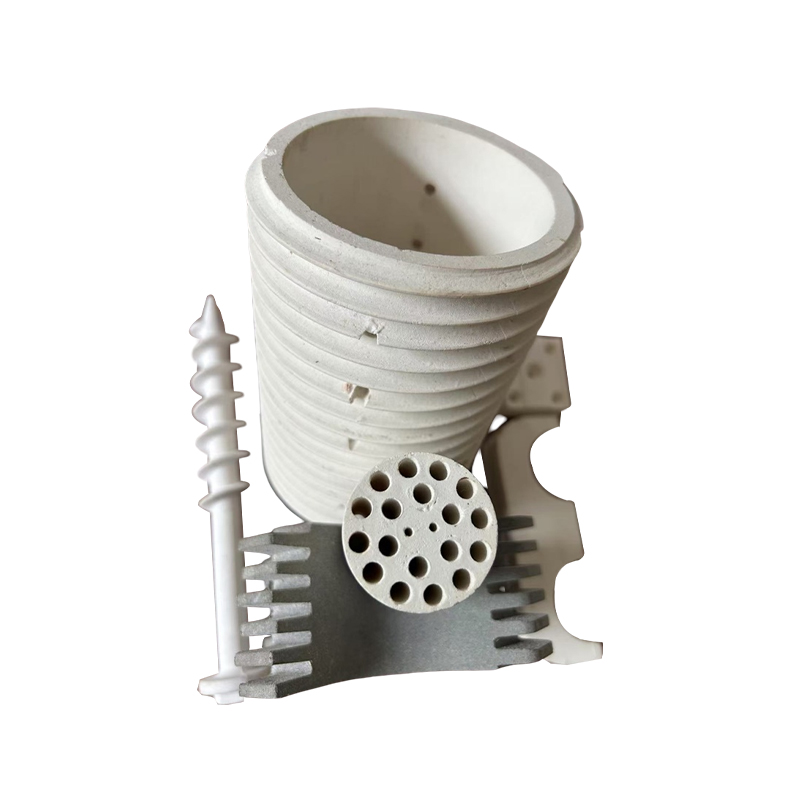
In the modern landscape of electric heating appliances, from sophisticated industrial machinery to everyday household devices like smart toilet seats and instant water heaters, safety and stability are paramount. At the heart of these devices lies a critical component that ensures they operate efficiently without posing a risk to the user: voltage-resistant alumina ceramics. These advanced materials, typically composed of 92% or 95% aluminum oxide (Al2O3), serve as the fundamental backbone of Metal Ceramic Heaters (MCH). They ensure safety and stability by providing exceptional electrical insulation, superior thermal conductivity, and unwavering structural integrity under extreme conditions.
The primary way these ceramics ensure safety is through their outstanding electrical insulation properties. In an electric heating element, a resistive metal circuit (often made of tungsten or molybdenum) generates intense heat when electricity passes through it. It is absolutely vital that this high-voltage current remains confined within the heating circuit and does not leak to the outer surface of the appliance. Alumina ceramics act as a perfect dielectric barrier. With an extremely high volume resistivity, often exceeding 10^13 Ω·cm, these ceramics prevent electrical current from passing through the material itself. This ensures that the external surface of a heater remains completely safe to touch, protecting users from the risk of electric shock even while the internal element is operating at high power.
Beyond basic insulation, the structural design of alumina ceramics contributes significantly to the stability of the heating appliance. These ceramics are manufactured using a high-temperature co-firing process, where the metal heating circuits are printed onto ceramic layers and sintered together at temperatures exceeding 1600°C. This creates a monolithic, fully sealed structure where the heating element is completely encapsulated within the ceramic body. This encapsulation provides robust physical protection for the delicate metal circuits against oxidation, corrosion, and mechanical damage. Because the circuit is hermetically sealed inside the dense ceramic, the heater is immune to environmental factors such as humidity, oil, or acidic substances, ensuring a long operational lifespan without performance degradation.
Thermal stability is another cornerstone of safety provided by these materials. Alumina ceramics possess a unique combination of a high melting point and excellent thermal conductivity. The high melting point, often above 2000°C, ensures that the ceramic body will never melt, burn, or deform, even if the internal heating element reaches extreme temperatures. Simultaneously, the material's ability to conduct heat rapidly allows the appliance to warm up almost instantly. This fast thermal response prevents dangerous localized overheating, or "hot spots," by distributing heat evenly across the surface. The result is a heating appliance that is not only energy-efficient but also predictable and safe to operate.
Furthermore, the mechanical robustness of 95 and 92 alumina ceramics ensures the physical stability of the device. These ceramics are incredibly hard and resistant to wear and erosion. In applications involving water flow, such as instant heaters, or physical contact, like industrial sealing rings, the ceramic maintains its precise dimensions and smooth surface finish. This durability prevents the formation of cracks or defects that could compromise the electrical insulation over time. Additionally, the material is chemically inert, meaning it resists corrosion from water, steam, and various chemicals, making it suitable for a vast array of demanding environments.
Ultimately, voltage-resistant alumina ceramics are the silent guardians of electric heating technology. By seamlessly integrating high-voltage electrical isolation with rapid heat transfer and extreme physical durability, they allow engineers to design compact, powerful, and highly reliable heating appliances. Their presence guarantees that the intense energy required for heating is managed with absolute precision, keeping both the machine and its user safe from harm.
The primary way these ceramics ensure safety is through their outstanding electrical insulation properties. In an electric heating element, a resistive metal circuit (often made of tungsten or molybdenum) generates intense heat when electricity passes through it. It is absolutely vital that this high-voltage current remains confined within the heating circuit and does not leak to the outer surface of the appliance. Alumina ceramics act as a perfect dielectric barrier. With an extremely high volume resistivity, often exceeding 10^13 Ω·cm, these ceramics prevent electrical current from passing through the material itself. This ensures that the external surface of a heater remains completely safe to touch, protecting users from the risk of electric shock even while the internal element is operating at high power.
Beyond basic insulation, the structural design of alumina ceramics contributes significantly to the stability of the heating appliance. These ceramics are manufactured using a high-temperature co-firing process, where the metal heating circuits are printed onto ceramic layers and sintered together at temperatures exceeding 1600°C. This creates a monolithic, fully sealed structure where the heating element is completely encapsulated within the ceramic body. This encapsulation provides robust physical protection for the delicate metal circuits against oxidation, corrosion, and mechanical damage. Because the circuit is hermetically sealed inside the dense ceramic, the heater is immune to environmental factors such as humidity, oil, or acidic substances, ensuring a long operational lifespan without performance degradation.
Thermal stability is another cornerstone of safety provided by these materials. Alumina ceramics possess a unique combination of a high melting point and excellent thermal conductivity. The high melting point, often above 2000°C, ensures that the ceramic body will never melt, burn, or deform, even if the internal heating element reaches extreme temperatures. Simultaneously, the material's ability to conduct heat rapidly allows the appliance to warm up almost instantly. This fast thermal response prevents dangerous localized overheating, or "hot spots," by distributing heat evenly across the surface. The result is a heating appliance that is not only energy-efficient but also predictable and safe to operate.
Furthermore, the mechanical robustness of 95 and 92 alumina ceramics ensures the physical stability of the device. These ceramics are incredibly hard and resistant to wear and erosion. In applications involving water flow, such as instant heaters, or physical contact, like industrial sealing rings, the ceramic maintains its precise dimensions and smooth surface finish. This durability prevents the formation of cracks or defects that could compromise the electrical insulation over time. Additionally, the material is chemically inert, meaning it resists corrosion from water, steam, and various chemicals, making it suitable for a vast array of demanding environments.
Ultimately, voltage-resistant alumina ceramics are the silent guardians of electric heating technology. By seamlessly integrating high-voltage electrical isolation with rapid heat transfer and extreme physical durability, they allow engineers to design compact, powerful, and highly reliable heating appliances. Their presence guarantees that the intense energy required for heating is managed with absolute precision, keeping both the machine and its user safe from harm.