


Why have high-frequency ceramics become a crucial material in the modern electrical industry?
Release Time : 2026-05-26
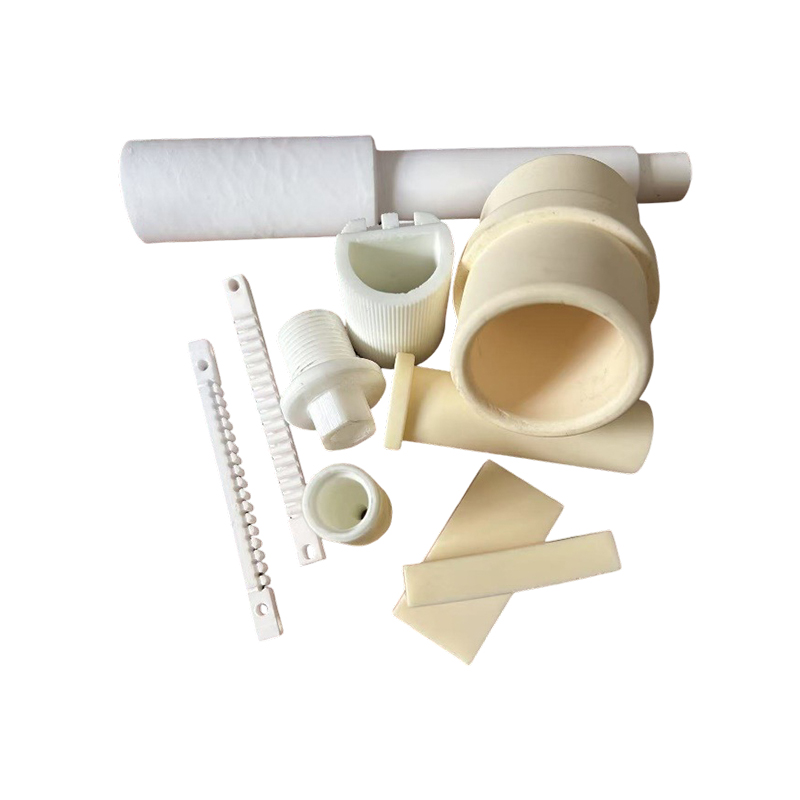
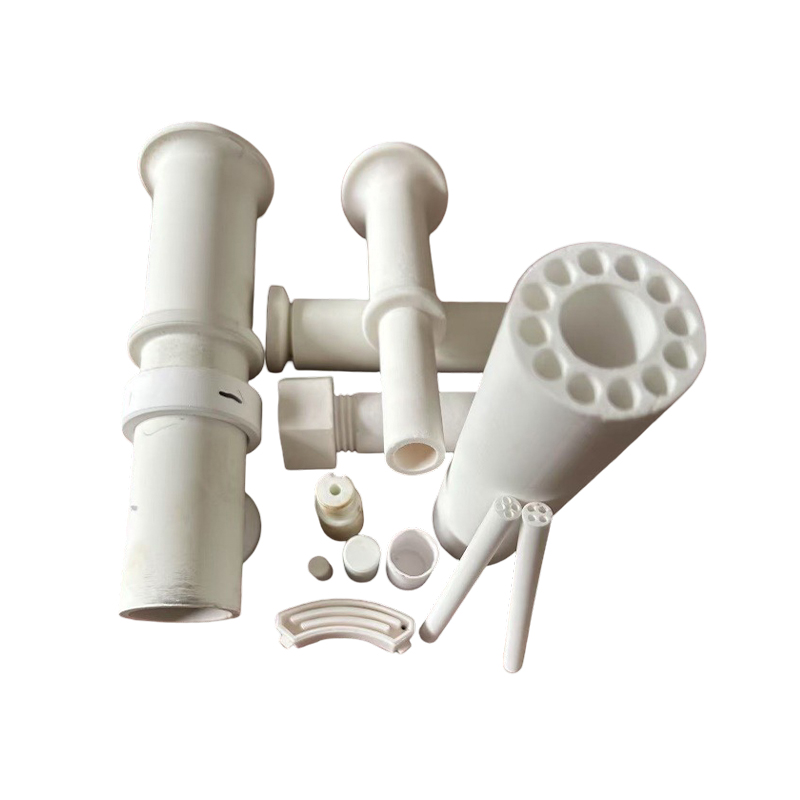
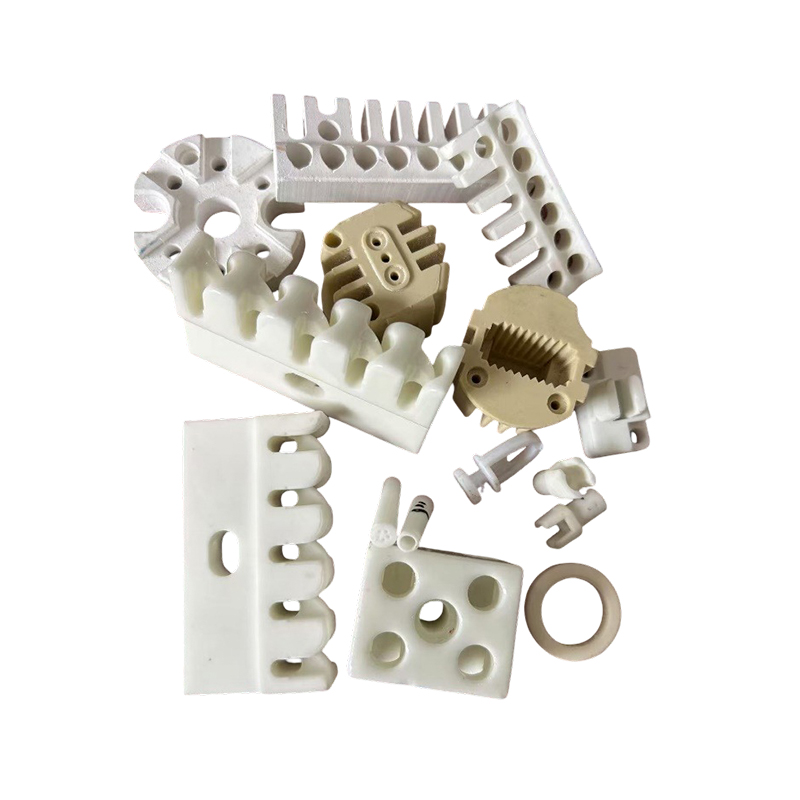
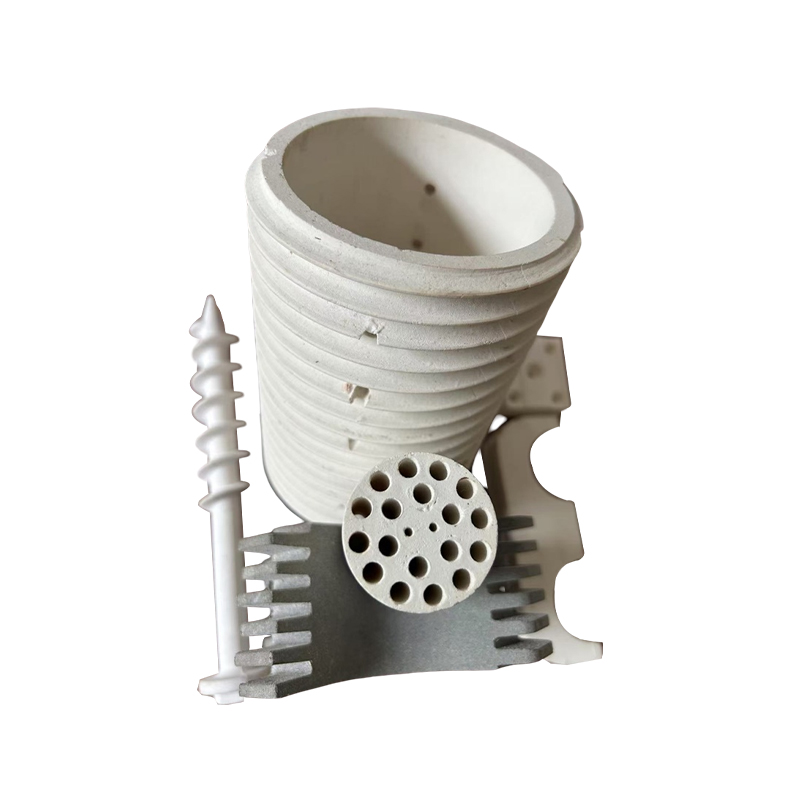
As modern electronics, power, and industrial equipment continue to evolve towards higher performance, the requirements for electrical materials in terms of voltage resistance, insulation, and stability are also increasing. High-frequency ceramics, as a vital component of electrical ceramic products, are widely used in electronic equipment, power systems, and high-frequency industrial fields due to their excellent insulation properties, good corrosion resistance, and stable high-temperature tolerance. They not only effectively ensure stable equipment operation but also meet the demands of complex industrial environments for high-performance materials, making them an indispensable basic material in the modern electrical industry.
The greatest advantage of high-frequency ceramics lies in their outstanding insulation performance. During the operation of high-frequency electrical equipment, stable and reliable insulating materials can effectively prevent current leakage and short circuits, thereby ensuring safe operation. High-frequency ceramics possess excellent electrical insulation capabilities, maintaining stable performance even under complex high-voltage environments. For modern electronic equipment and high-voltage systems, superior insulation not only improves operational stability but also further enhances overall safety.
In addition to its insulation advantages, high-frequency ceramics also exhibit excellent voltage resistance. Modern industrial equipment demands increasingly stringent material strength requirements, and high-frequency ceramics maintain stable structures and optimal performance in high-voltage environments. Whether in high-frequency equipment or power systems, they effectively withstand the pressures of complex operating conditions. This stable and reliable voltage resistance allows high-frequency ceramics to be more widely used in modern high-performance electrical equipment.
Corrosion resistance is another key characteristic of high-frequency ceramics. In industrial environments, many devices are exposed to air, moisture, and chemical media for extended periods, causing ordinary materials to corrode and age. High-frequency ceramics, however, possess excellent corrosion resistance, maintaining stable performance and a good appearance even in complex environments. This not only extends the overall lifespan of equipment but also effectively reduces subsequent maintenance costs, providing more reliable support for enterprise production.
High-temperature resistance also demonstrates a significant advantage for high-frequency ceramics. Some industrial equipment generates high temperatures during operation, and ordinary materials are prone to performance degradation due to high temperatures. High-frequency ceramics possess stable heat resistance, maintaining good insulation and structural stability even when exposed to high temperatures for extended periods. The superior high-temperature resistance not only enhances equipment reliability but also expands the application range of high-frequency ceramics.
High-frequency ceramics are also resistant to arc burn-out. In high-frequency electrical systems, arcing can easily damage equipment, but high-frequency ceramics effectively resist arc erosion, reducing equipment wear and safety hazards. This performance advantage is crucial for high-voltage equipment and complex industrial electrical environments. The stable and durable material properties not only ensure long-term equipment operation but also further enhance overall system safety.
High-frequency ceramics also exhibit excellent structural stability. The products have high overall hardness and a compact structure, maintaining good performance even under long-term complex operating conditions. Compared to ordinary materials, high-frequency ceramics are more wear-resistant and durable, less prone to deformation and damage. For modern industrial equipment, stable and reliable materials effectively improve overall equipment operating efficiency, providing more durable support for industrial production.
In terms of application areas, high-frequency ceramics have a very wide range of applicability. They play an important role in high-frequency electronic equipment, electrical insulation systems, and industrial heating equipment. In the field of modern communication equipment and electronic components, high-frequency ceramics provide stable and reliable insulation support; in high-voltage power systems, they ensure the safe operation of equipment; and in special industrial environments, their high-temperature resistance and corrosion resistance meet the demands of complex operating conditions. These wide range of applications further demonstrate the superior comprehensive performance of high-frequency ceramics.
As modern industry continues to develop towards intelligence, high frequency, and high stability, the market demand for high-performance electrical materials is also continuously growing. High-frequency ceramics, with their excellent insulation capabilities, high-voltage resistance, corrosion resistance, and high-temperature resistance, are becoming an important material choice in the modern electrical industry. They not only improve the overall performance of equipment but also further optimize system operational safety, providing more stable and reliable support for the development of the industrial and electronics sectors.
In the future, with the continuous upgrading of high-end electronic technologies and intelligent power systems, high-frequency ceramics will continue to improve in terms of performance optimization and application expansion. With their stable and durable material characteristics and wide application value, high-frequency ceramics will play an even more important role in the fields of modern electrical, electronic, and industrial equipment, providing safer, more efficient, and more reliable material guarantees for high-performance electrical systems.
The greatest advantage of high-frequency ceramics lies in their outstanding insulation performance. During the operation of high-frequency electrical equipment, stable and reliable insulating materials can effectively prevent current leakage and short circuits, thereby ensuring safe operation. High-frequency ceramics possess excellent electrical insulation capabilities, maintaining stable performance even under complex high-voltage environments. For modern electronic equipment and high-voltage systems, superior insulation not only improves operational stability but also further enhances overall safety.
In addition to its insulation advantages, high-frequency ceramics also exhibit excellent voltage resistance. Modern industrial equipment demands increasingly stringent material strength requirements, and high-frequency ceramics maintain stable structures and optimal performance in high-voltage environments. Whether in high-frequency equipment or power systems, they effectively withstand the pressures of complex operating conditions. This stable and reliable voltage resistance allows high-frequency ceramics to be more widely used in modern high-performance electrical equipment.
Corrosion resistance is another key characteristic of high-frequency ceramics. In industrial environments, many devices are exposed to air, moisture, and chemical media for extended periods, causing ordinary materials to corrode and age. High-frequency ceramics, however, possess excellent corrosion resistance, maintaining stable performance and a good appearance even in complex environments. This not only extends the overall lifespan of equipment but also effectively reduces subsequent maintenance costs, providing more reliable support for enterprise production.
High-temperature resistance also demonstrates a significant advantage for high-frequency ceramics. Some industrial equipment generates high temperatures during operation, and ordinary materials are prone to performance degradation due to high temperatures. High-frequency ceramics possess stable heat resistance, maintaining good insulation and structural stability even when exposed to high temperatures for extended periods. The superior high-temperature resistance not only enhances equipment reliability but also expands the application range of high-frequency ceramics.
High-frequency ceramics are also resistant to arc burn-out. In high-frequency electrical systems, arcing can easily damage equipment, but high-frequency ceramics effectively resist arc erosion, reducing equipment wear and safety hazards. This performance advantage is crucial for high-voltage equipment and complex industrial electrical environments. The stable and durable material properties not only ensure long-term equipment operation but also further enhance overall system safety.
High-frequency ceramics also exhibit excellent structural stability. The products have high overall hardness and a compact structure, maintaining good performance even under long-term complex operating conditions. Compared to ordinary materials, high-frequency ceramics are more wear-resistant and durable, less prone to deformation and damage. For modern industrial equipment, stable and reliable materials effectively improve overall equipment operating efficiency, providing more durable support for industrial production.
In terms of application areas, high-frequency ceramics have a very wide range of applicability. They play an important role in high-frequency electronic equipment, electrical insulation systems, and industrial heating equipment. In the field of modern communication equipment and electronic components, high-frequency ceramics provide stable and reliable insulation support; in high-voltage power systems, they ensure the safe operation of equipment; and in special industrial environments, their high-temperature resistance and corrosion resistance meet the demands of complex operating conditions. These wide range of applications further demonstrate the superior comprehensive performance of high-frequency ceramics.
As modern industry continues to develop towards intelligence, high frequency, and high stability, the market demand for high-performance electrical materials is also continuously growing. High-frequency ceramics, with their excellent insulation capabilities, high-voltage resistance, corrosion resistance, and high-temperature resistance, are becoming an important material choice in the modern electrical industry. They not only improve the overall performance of equipment but also further optimize system operational safety, providing more stable and reliable support for the development of the industrial and electronics sectors.
In the future, with the continuous upgrading of high-end electronic technologies and intelligent power systems, high-frequency ceramics will continue to improve in terms of performance optimization and application expansion. With their stable and durable material characteristics and wide application value, high-frequency ceramics will play an even more important role in the fields of modern electrical, electronic, and industrial equipment, providing safer, more efficient, and more reliable material guarantees for high-performance electrical systems.